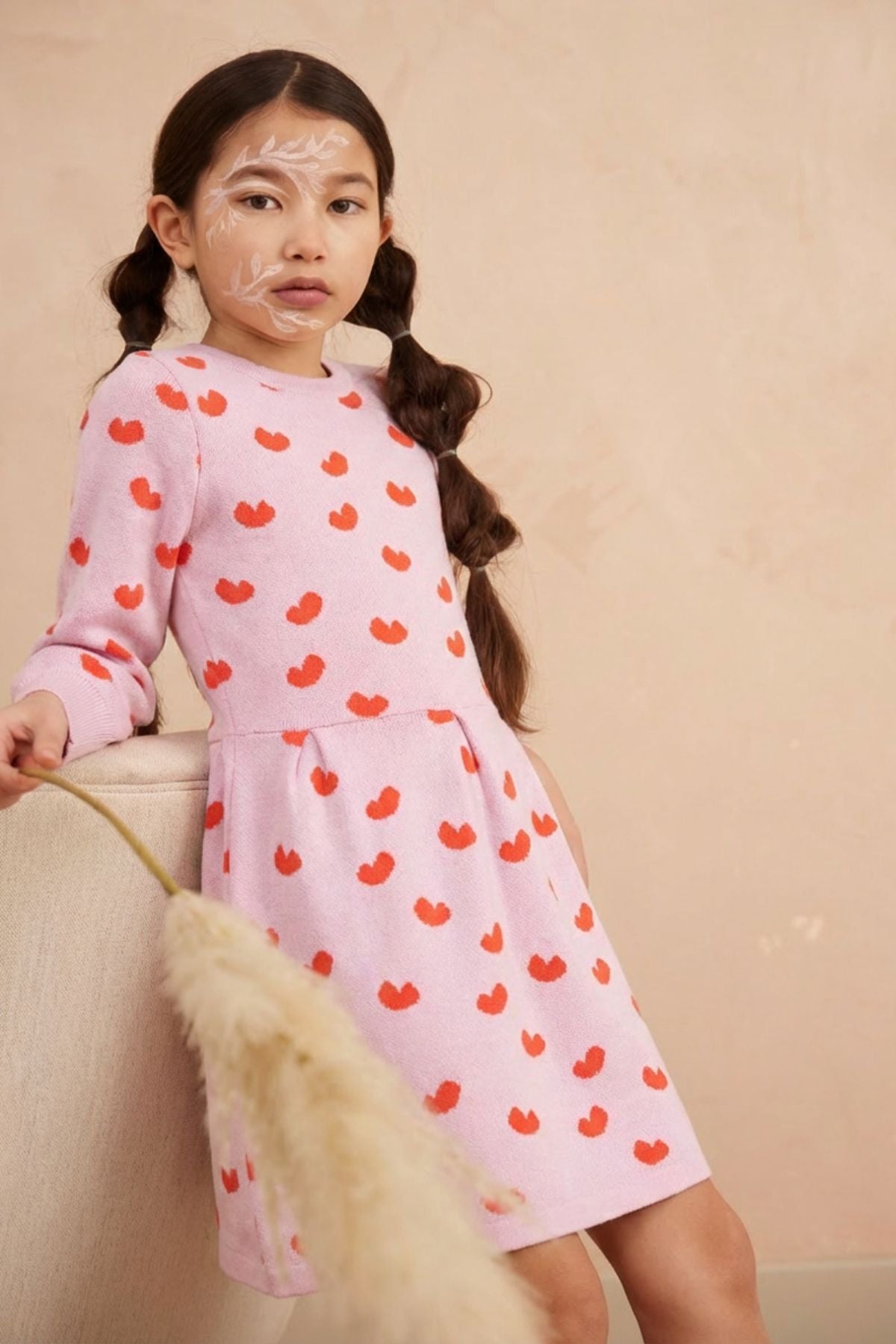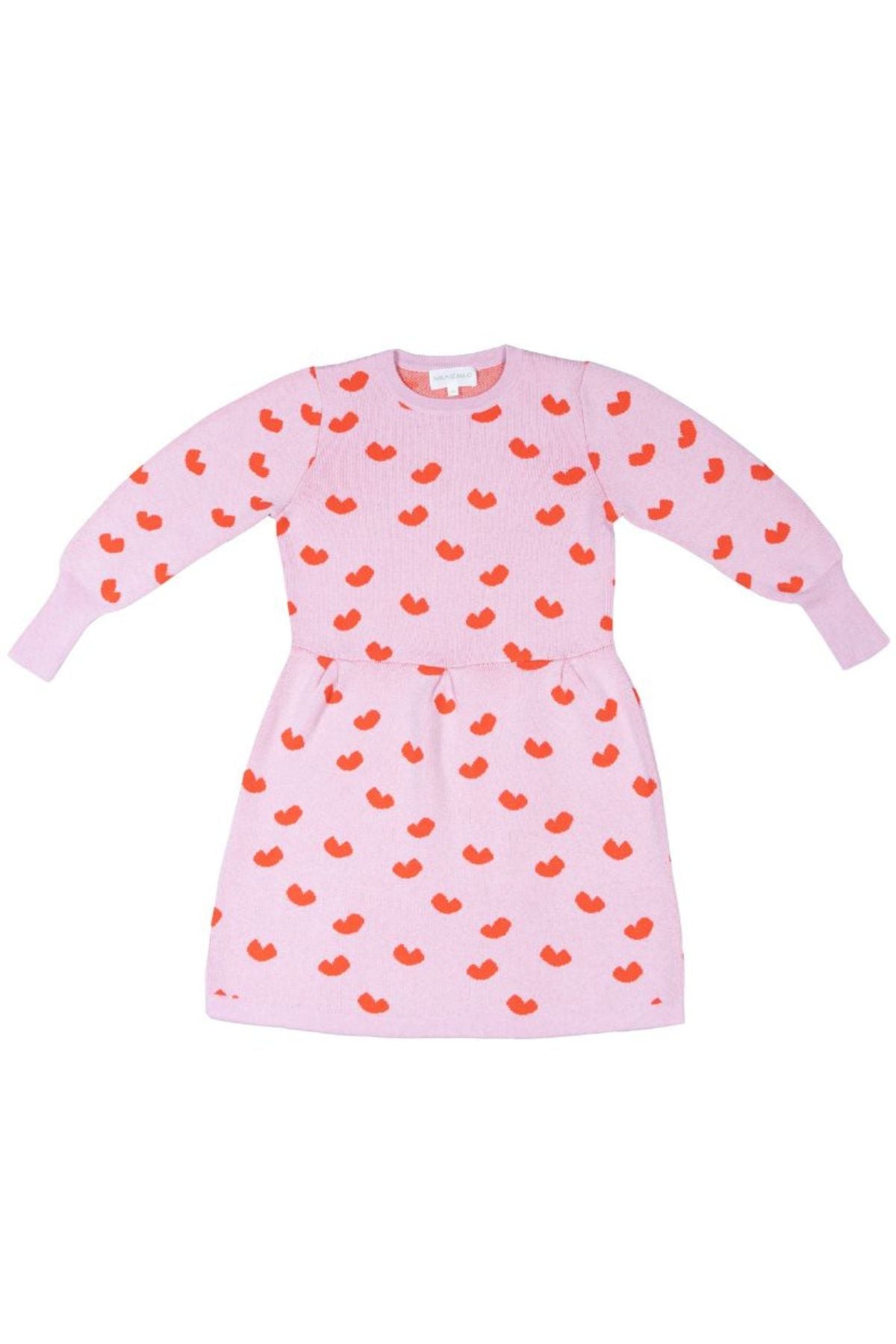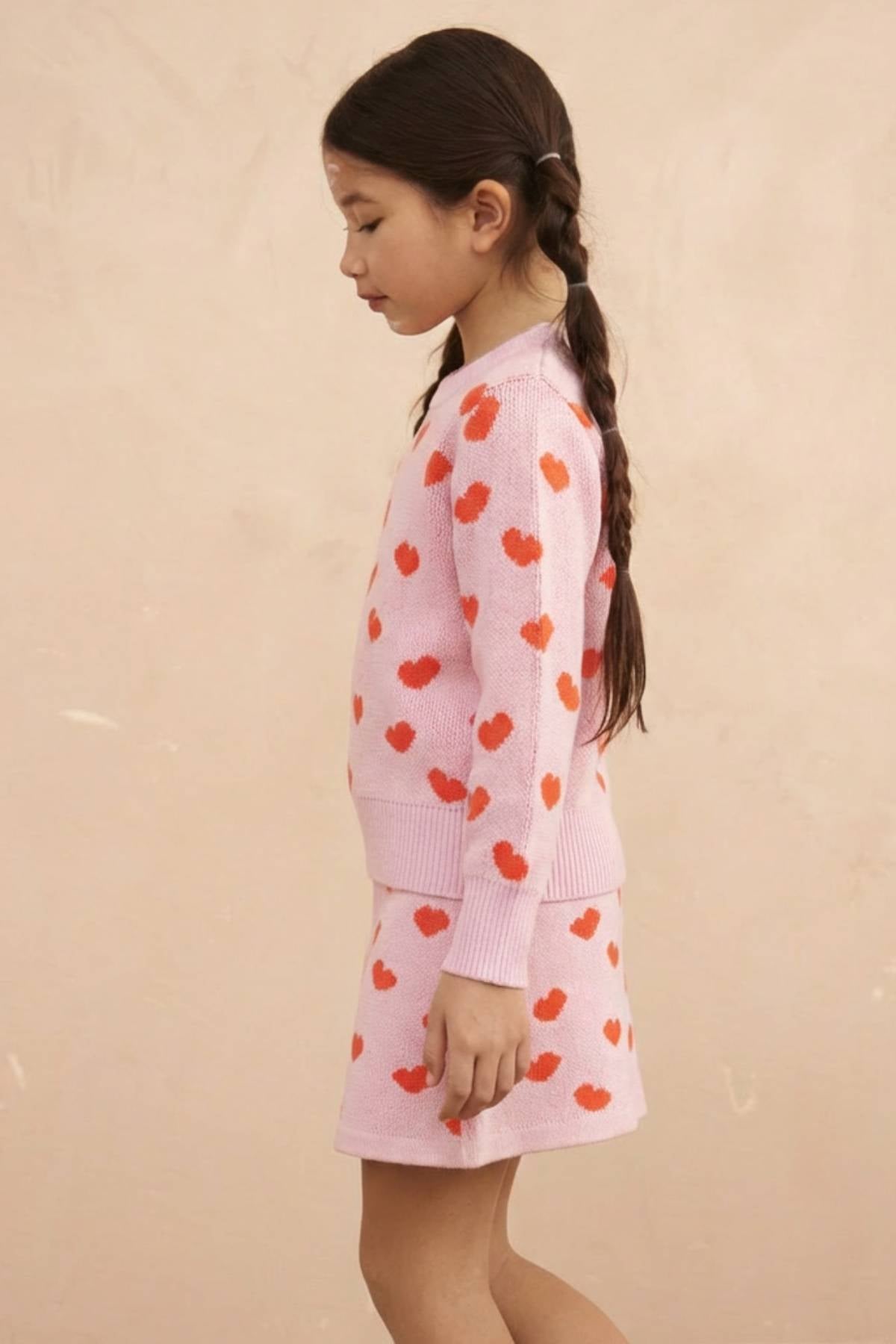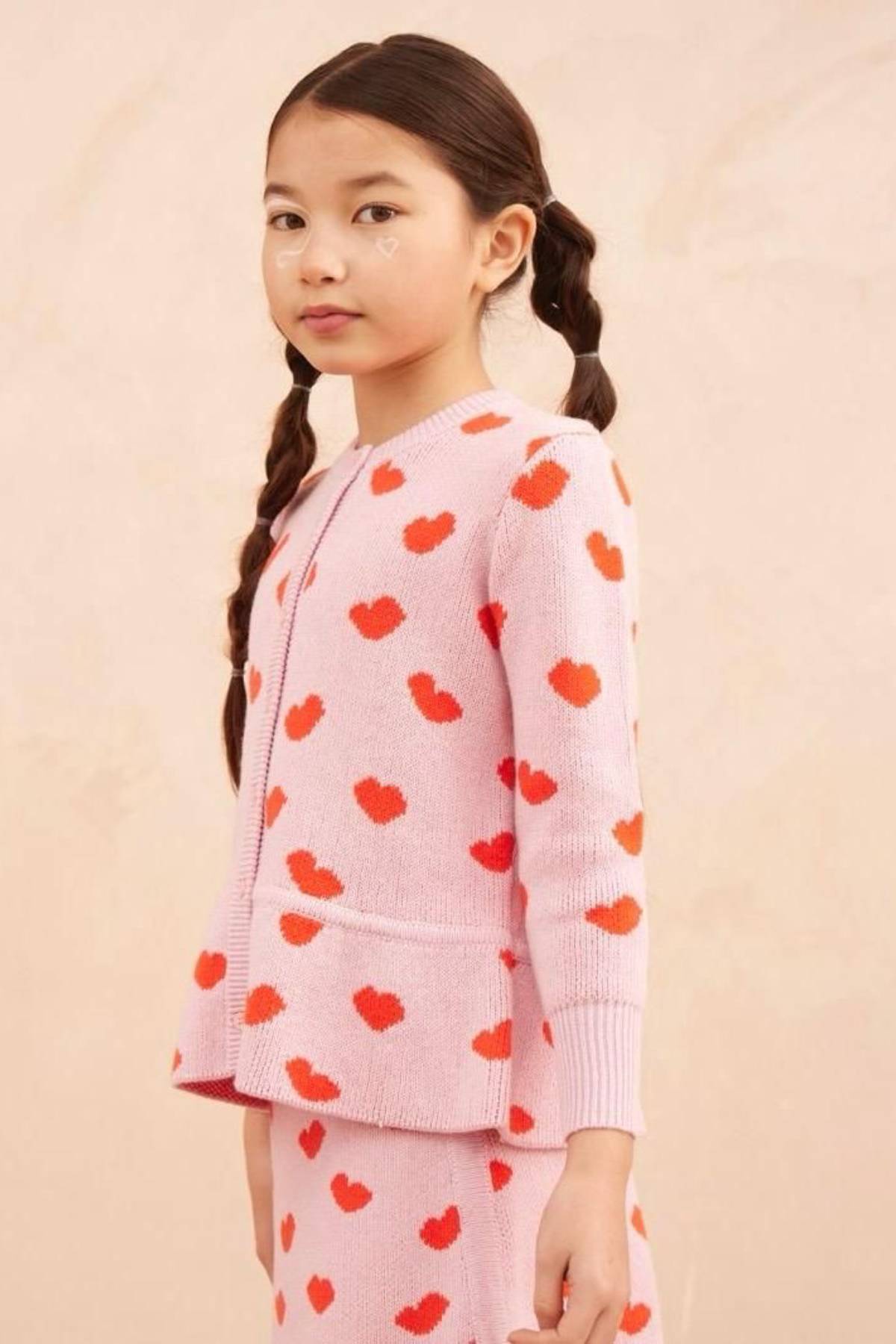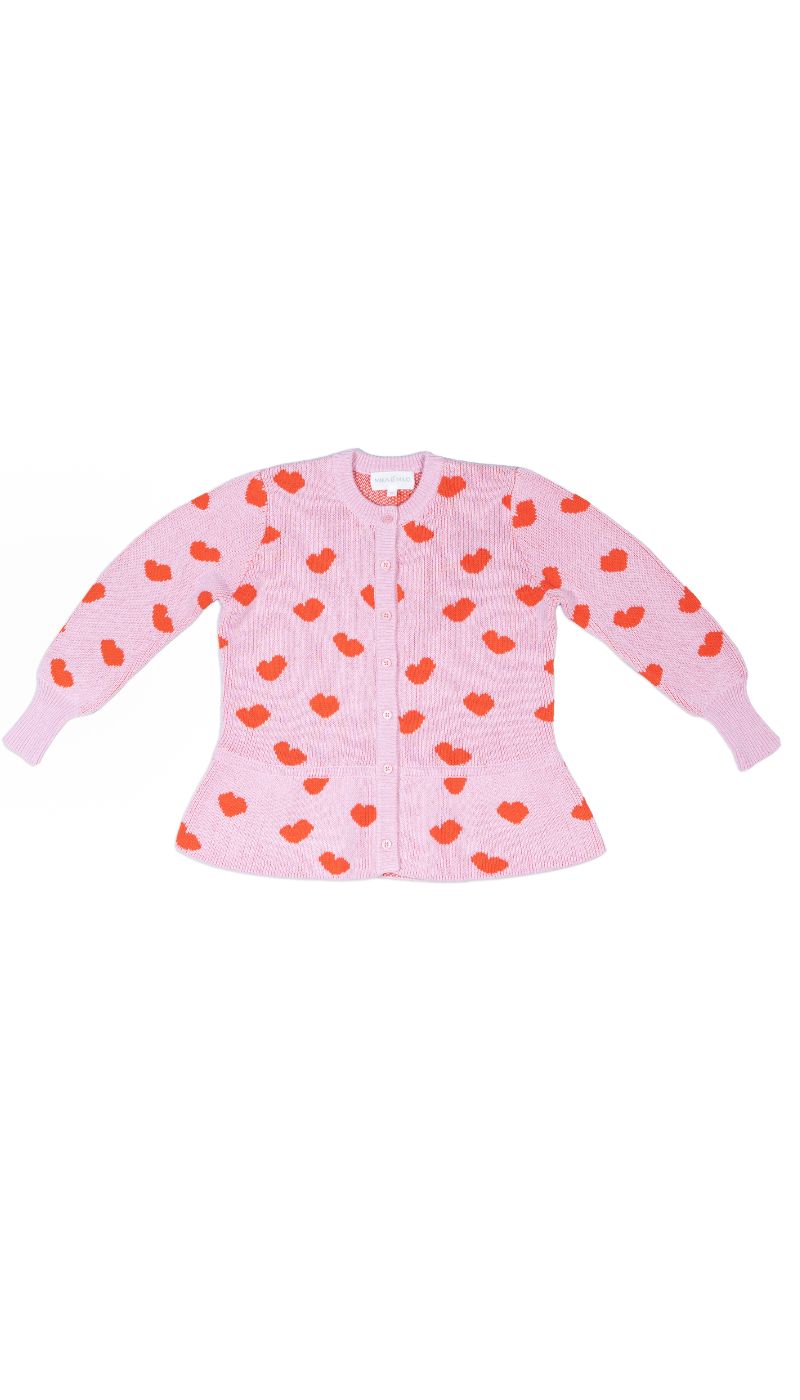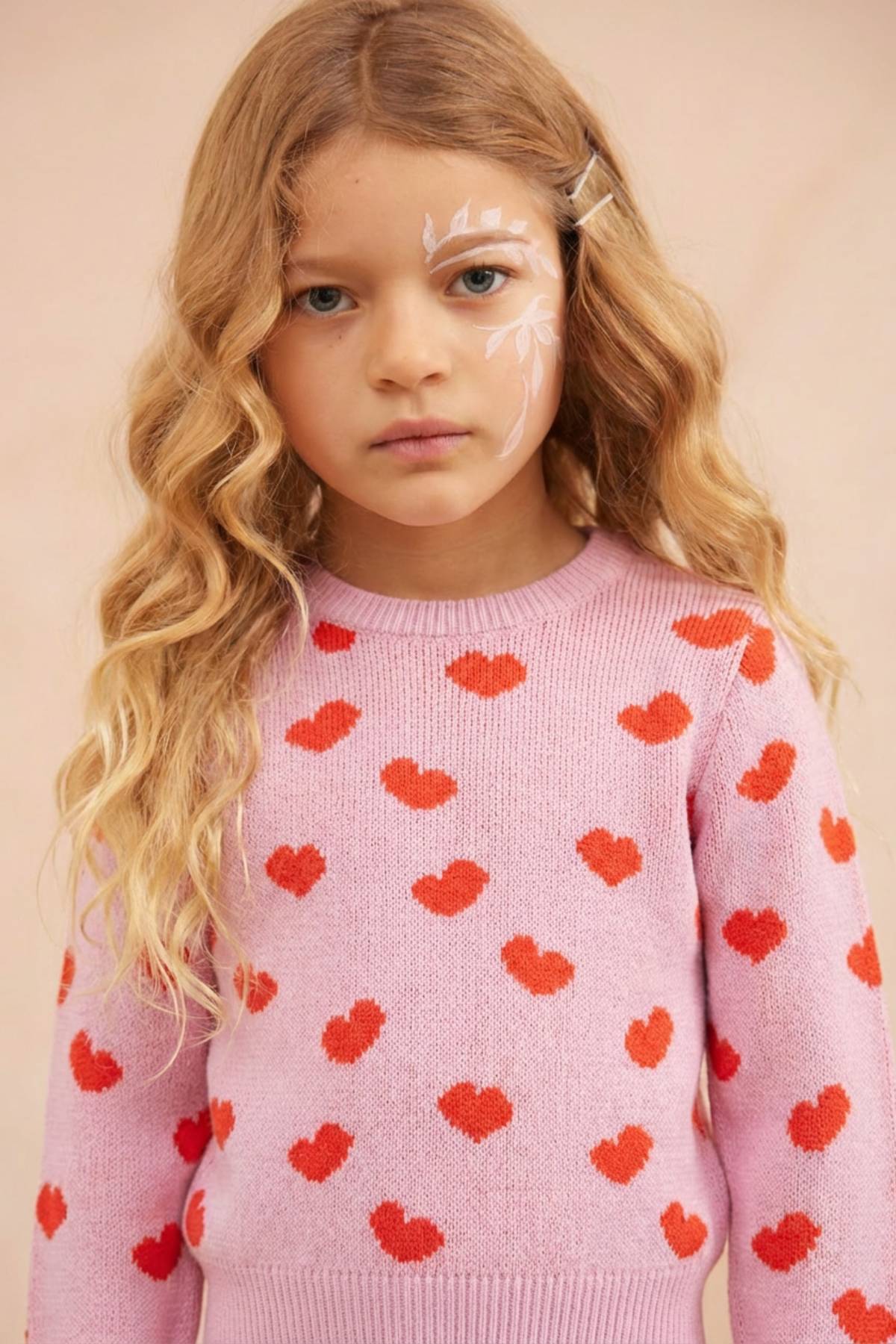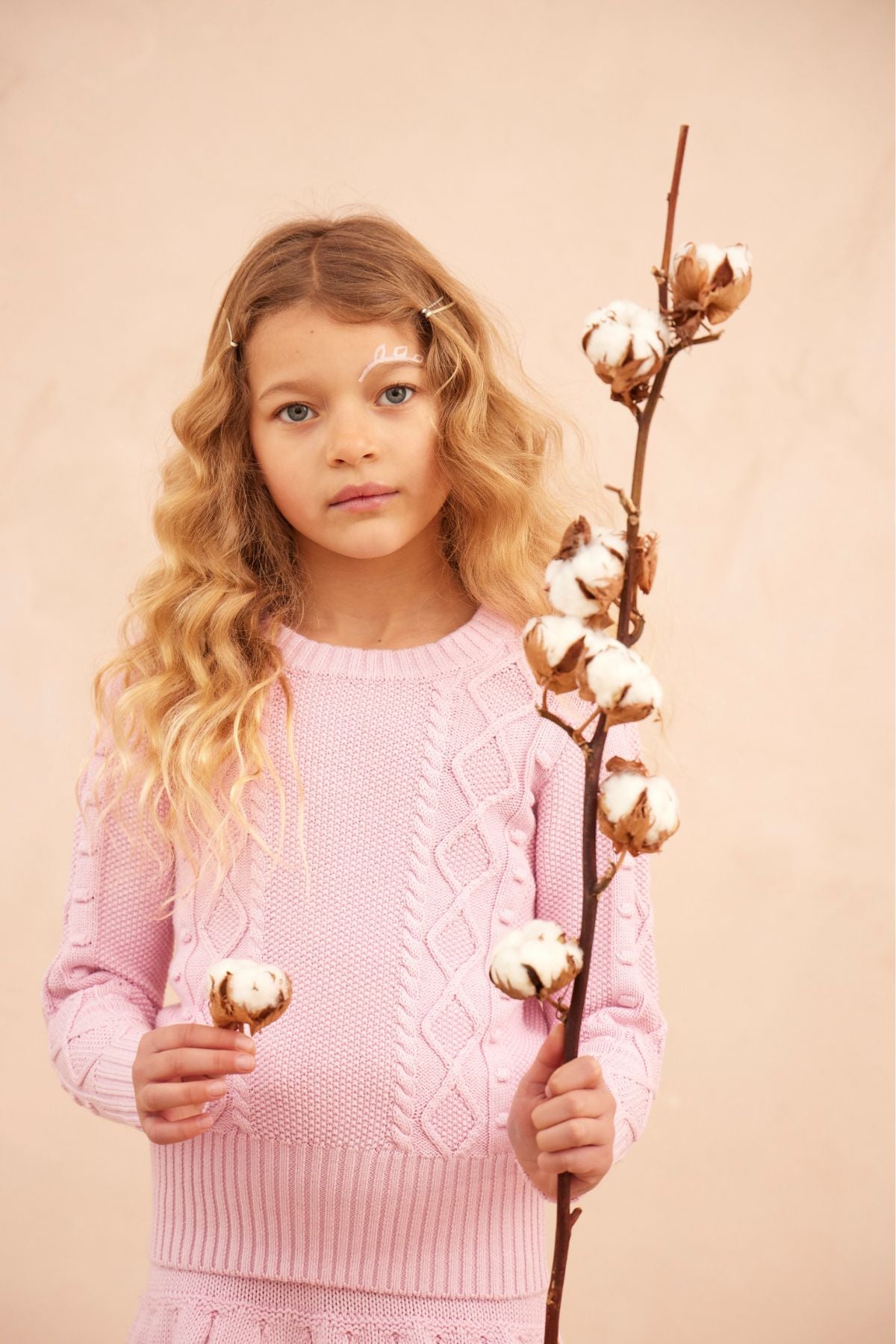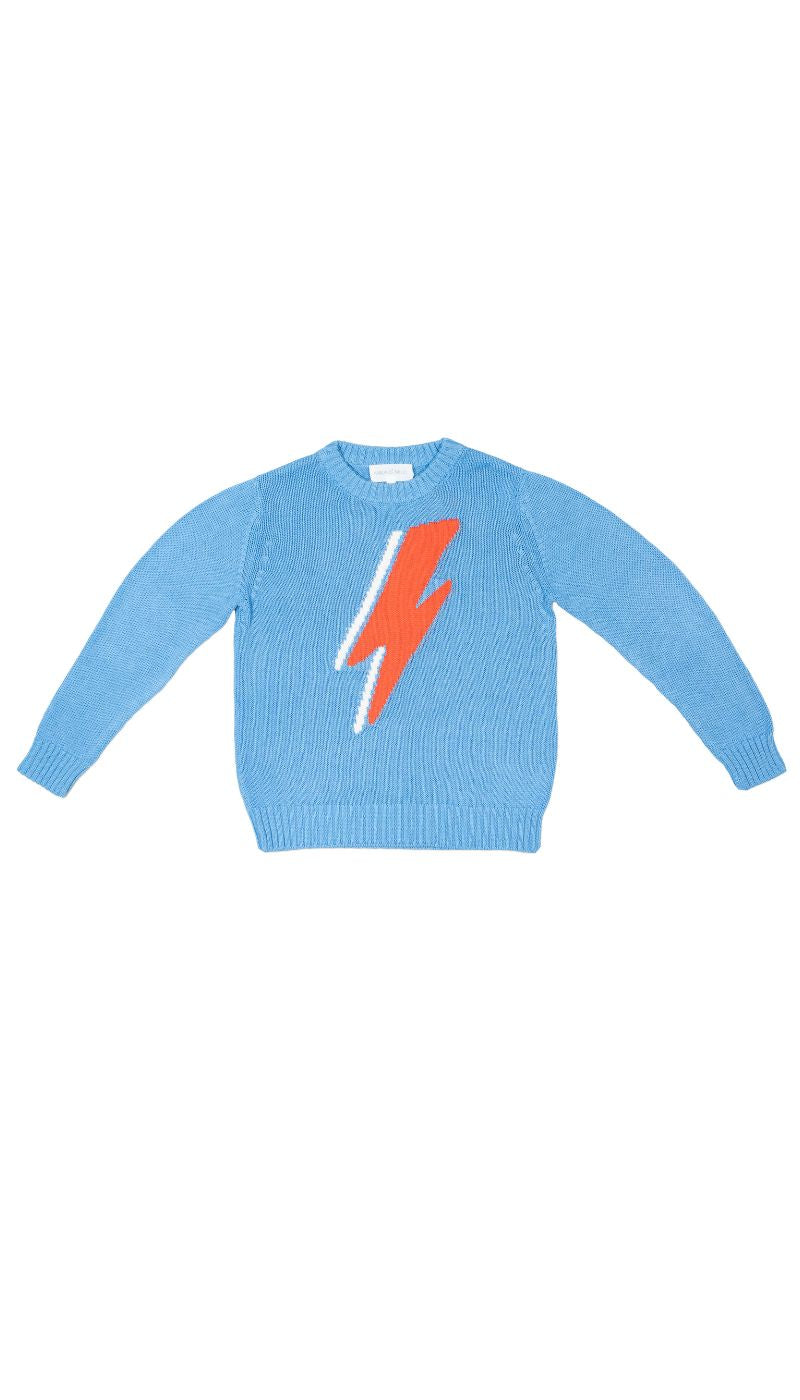

When it comes to knitwear, terms like ply and gauge are used to describe how a jumper is knitted—not its quality or value. The weight of your jumper, however, directly impacts its value: the heavier the knit, the more material is used, making it more expensive.
What is Ply?
Ply refers to the number of individual strands twisted together to create a piece of yarn. Think of it like braiding hair—the twisting process strengthens the yarn and gives it structure.
-
2-Ply Yarn: Made by twisting two strands in opposite directions and then combining them. This creates resistance, ensuring your jumper hangs straight and luxuriously.
-
Single-Ply Yarn: Made with only one strand, which can cause the jumper to warp or hang unevenly over time.
-
Thicker Ply: The thicker the ply, the heavier and warmer the jumper becomes.
What is Gauge?
Gauge refers to the number of needles used per inch when knitting.
-
Lower Gauge: Fewer needles per inch, resulting in a looser, more relaxed knit.
-
Higher Gauge: More needles per inch, creating a tighter, denser knit.
Understanding ply and gauge helps you appreciate the craftsmanship behind each MIKA & MILO garment, ensuring your little ones enjoy cozy, durable, and beautifully crafted knitwear.