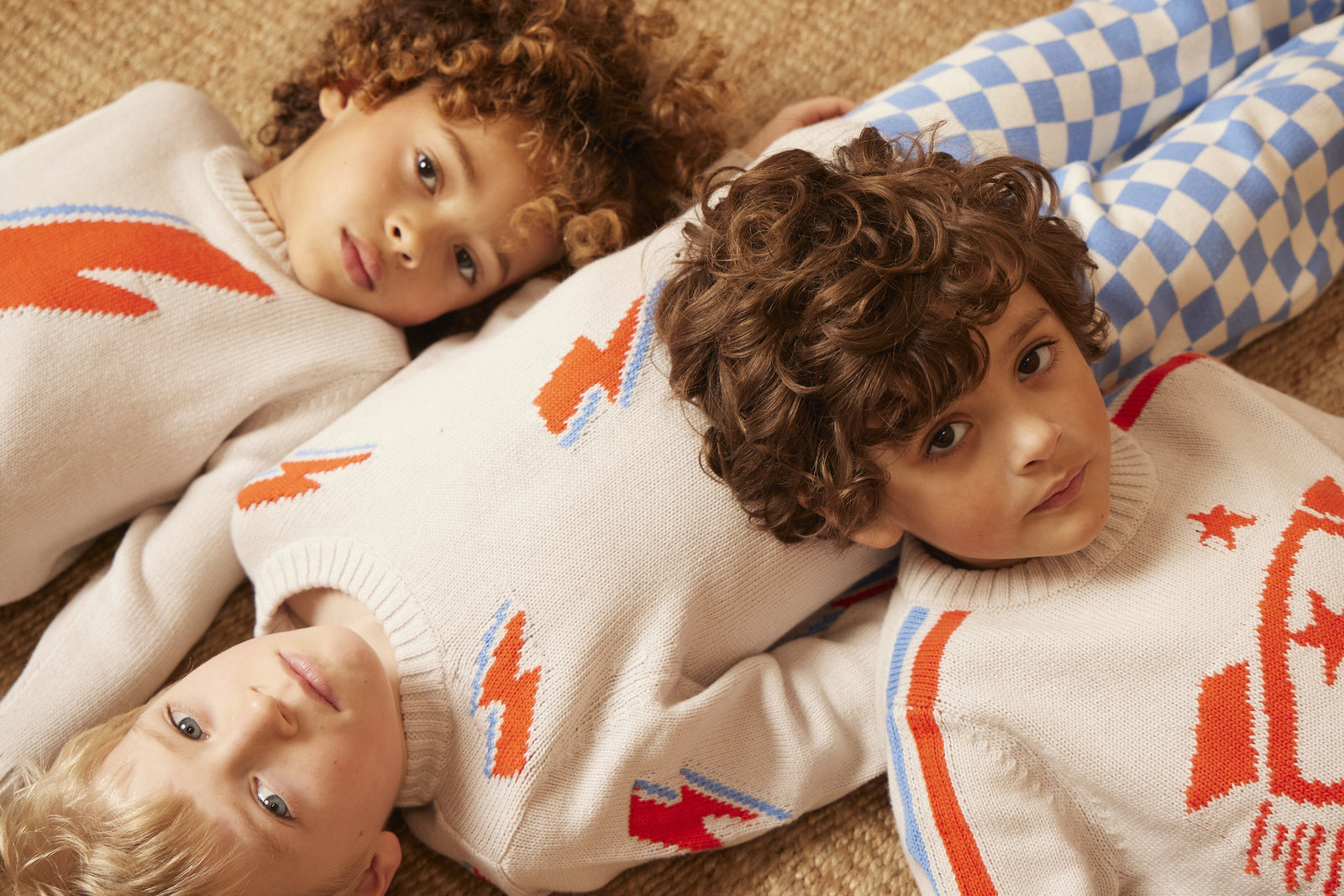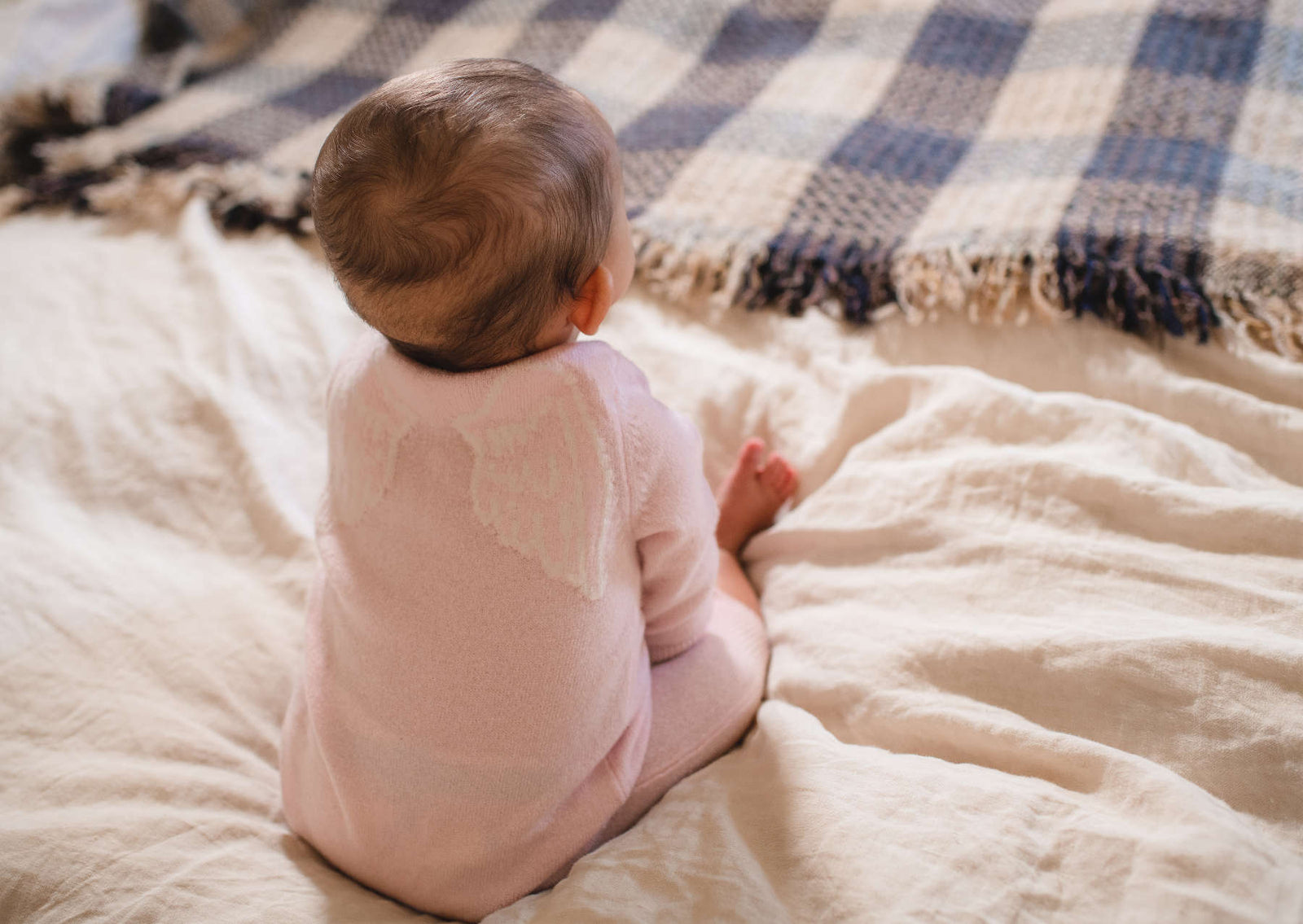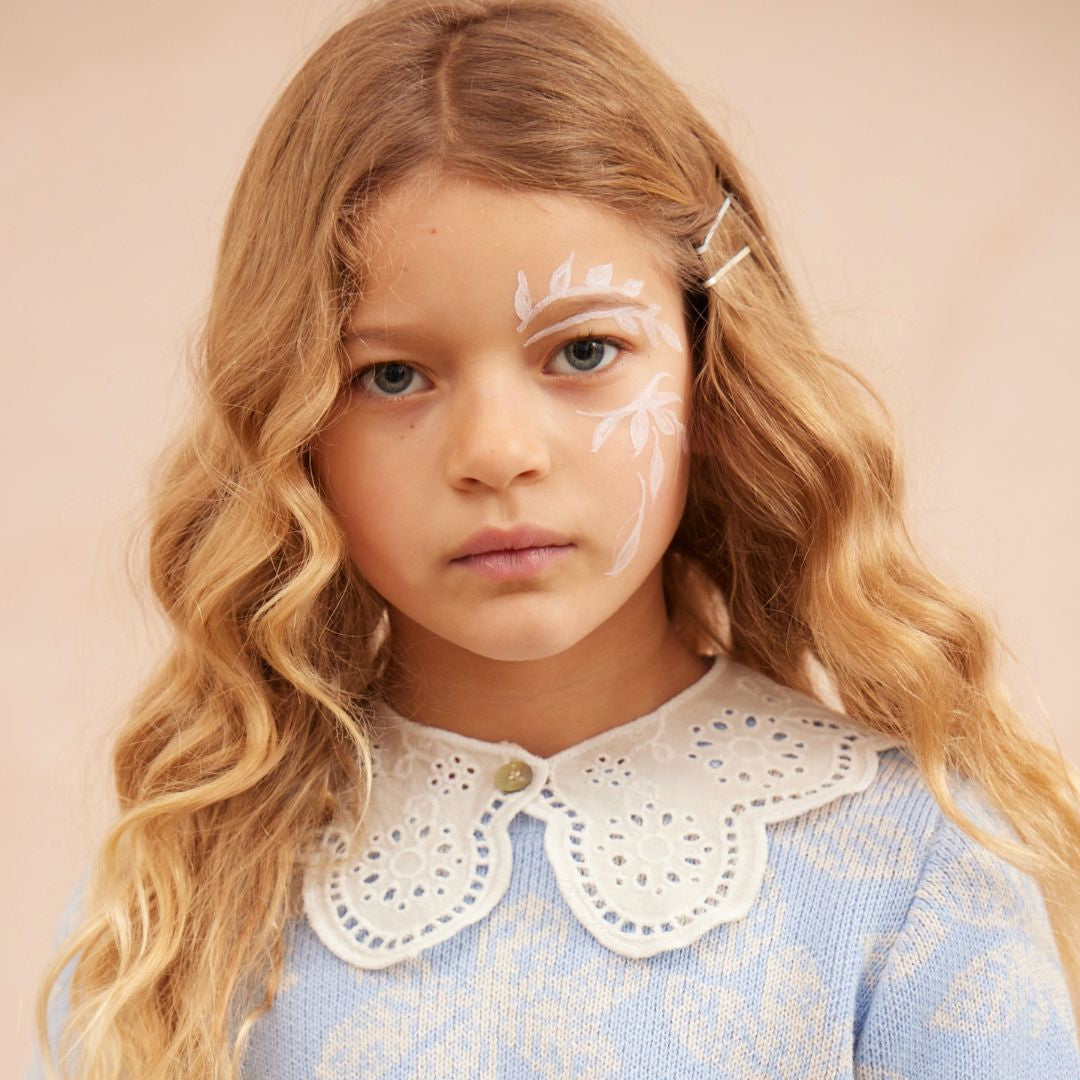


There is a particular kind of knowledge that lives in hands. The knowledge of how to hold yarn, how to read tension, how to feel when a stitch is right or wrong before you can even see it. In Scotland, this knowledge has been passed down through generations of knitters — in island communities, in mill towns, in families — for centuries. It is one of the great textile traditions of the world, and it is directly relevant to the clothes your child wears today.
A Tradition Rooted in Necessity
Scottish knitting didn't begin as a craft hobby. It began as survival. In the island communities of the Outer Hebrides, Shetland, and Fair Isle, knitting was essential — producing the warm, durable garments that fishermen and farmers needed to work in some of the harshest conditions in Europe.
The patterns that emerged from these communities — Fair Isle's intricate colourwork, Aran's textured cables, the fine lace of Shetland — were not decorative flourishes. They were functional solutions to the problem of making fabric that was warm, elastic, and durable. The craft evolved in direct response to the demands of real life.
The Scottish Mill Tradition
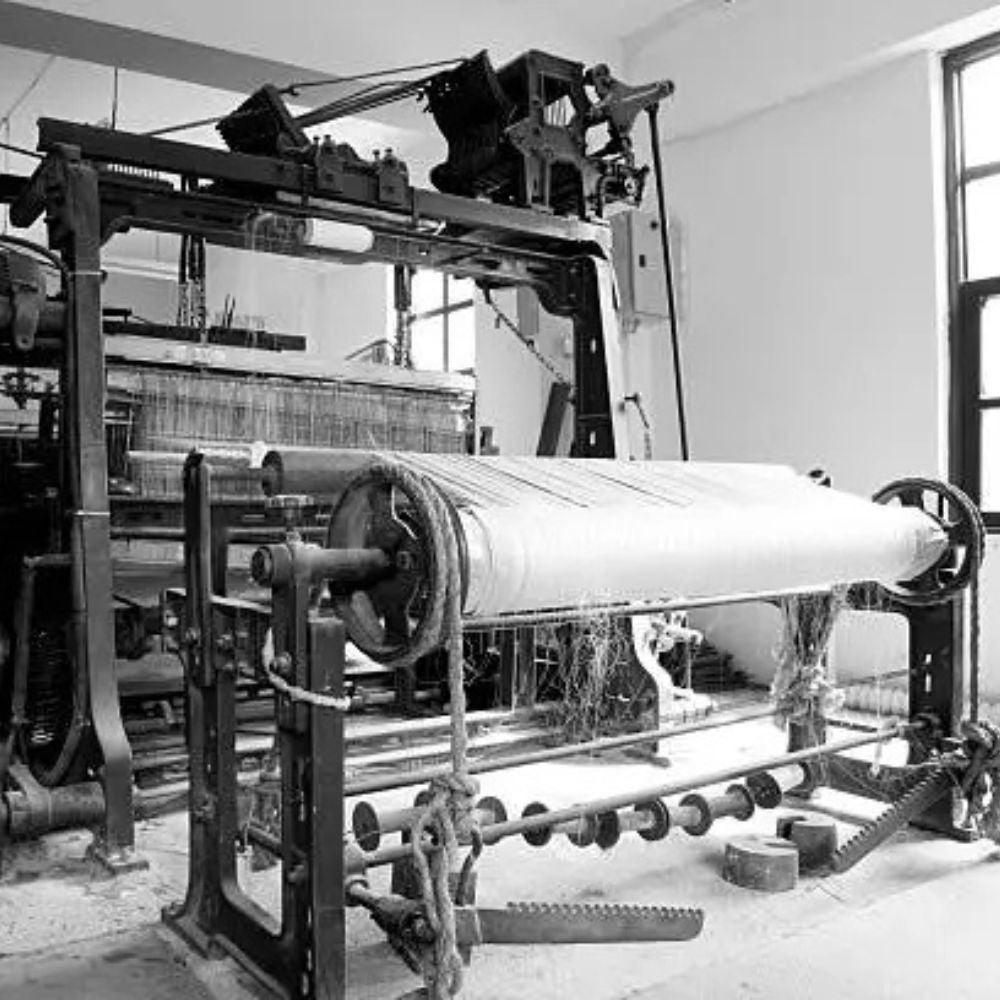
Scotland's knitting heritage extends beyond hand knitting into one of the world's great textile manufacturing traditions. The mills of the Scottish Borders — in towns like Hawick, Selkirk, and Galashiels — have been producing fine knitwear for over two centuries. These mills developed expertise in working with the finest natural fibres: lambswool, merino, cashmere.
At their best, these mills represent something rare in modern manufacturing: accumulated knowledge. Generations of workers who understand fibre behaviour, yarn construction, and fabric finishing at a level that cannot be replicated by a factory that opened last year. The machinery matters less than the people who operate it and the institutional memory they carry.
Why Craft Knowledge Produces Better Children's Clothing
This might seem abstract — what does Scottish knitting heritage have to do with a cardigan for a four-year-old? More than you might think.
Garments made with genuine craft knowledge behave differently. They:
- Hold their shape because the construction accounts for how the fabric will move and stretch with a child's body
- Wear evenly because the yarn tension is consistent throughout — no weak points that pill or thin prematurely
- Feel better against skin because the finishing process — washing, blocking, pressing — is done with understanding of what the fibre needs
- Last longer because every decision in the making process prioritises durability alongside aesthetics
Fast fashion knitwear is designed to a price point. Craft knitwear is designed to a standard. The difference is felt immediately and confirmed over years of wear.
Our 95/5 Blend and the Craft Tradition
At MIKA & MILO, our knits are made from a 95% organic cotton, 5% cashmere blend — a combination that draws on this tradition of working thoughtfully with natural fibres. The 5% cashmere brings the softness and subtle warmth that the craft tradition has always prized. The 95% organic cotton provides the structure and breathability that makes these pieces genuinely practical for children.
This isn't a blend chosen for marketing purposes. It's a blend chosen because it performs — because it feels right against a child's skin, washes well, and holds its character over time. That's the craft tradition applied to modern children's clothing.
Keeping the Knowledge Alive
Craft textile traditions are under pressure everywhere. The economics of fast fashion make it difficult for skilled makers to compete on price. Mills close. Knowledge retires with the people who hold it. Patterns that took generations to develop are lost.
Every time a parent chooses a well-made natural fibre garment over a cheap synthetic alternative, they are — in a small but real way — supporting the continuation of these traditions. The market for quality is what keeps quality makers in business.
It's a choice that benefits your child directly (better clothing) and the broader textile culture indirectly (keeping craft knowledge alive). That's a rare alignment of self-interest and something larger.