
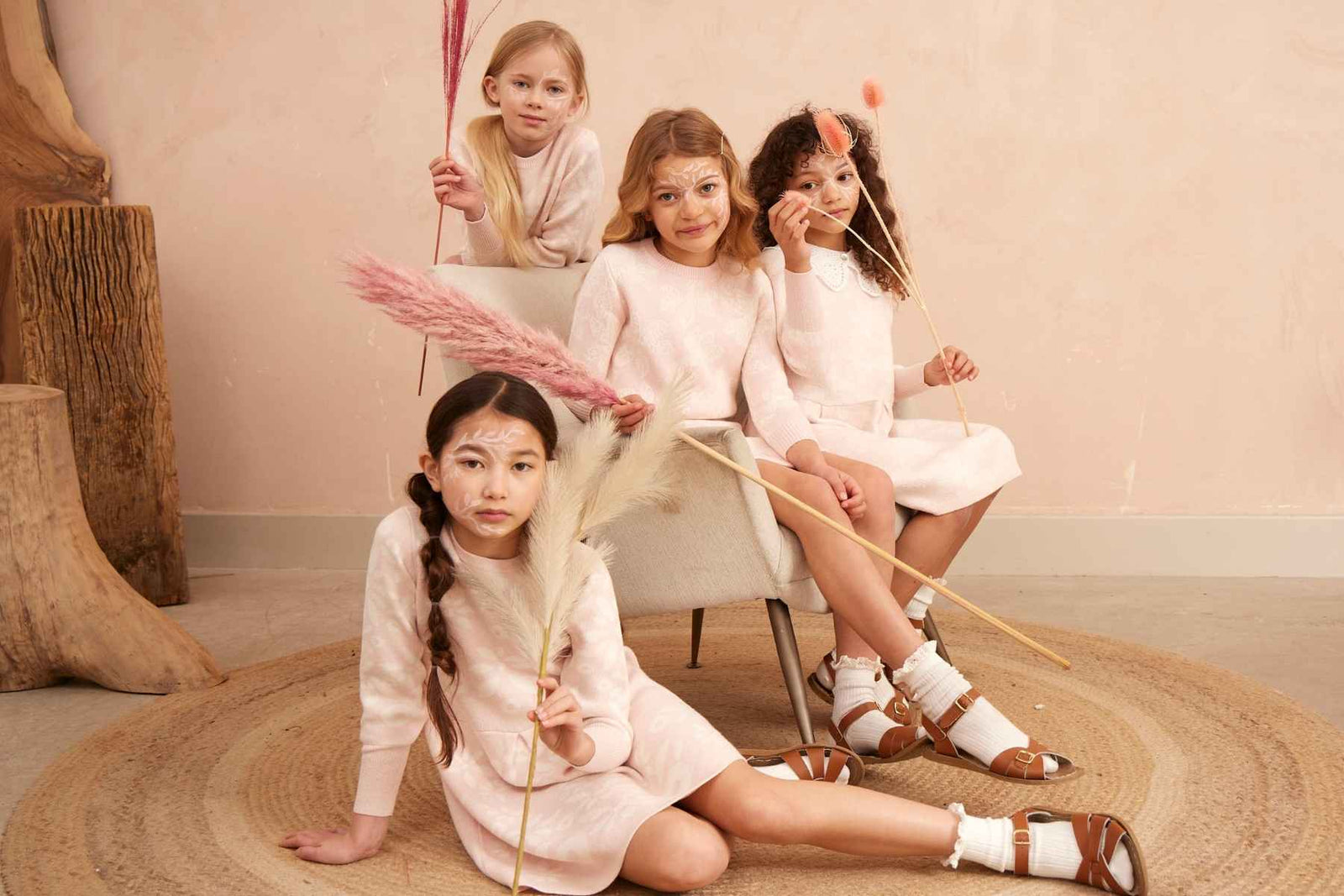

Spring arrives and suddenly the shops are full of new colours, new prints, new everything. It's tempting to refresh your child's wardrobe entirely — but the slow fashion approach asks a different question: what if you bought less, and chose better?
A capsule wardrobe for kids isn't about minimalism for its own sake. It's about building a small, intentional collection of pieces that work together, last through the season (and beyond), and actually get worn. Here's how to do it for spring.
Start With What You Already Have
Before buying anything, do a proper audit of what's in your child's drawers. Pull everything out and ask three questions:
- Does it still fit?
- Is it in good condition?
- Did they actually wear it last season?
Anything that passes all three stays. Everything else — donate, pass on to a friend, or set aside for a younger sibling. You'll likely find you need far less than you thought.
The Spring Capsule Formula
For most children, a well-functioning spring wardrobe needs surprisingly few pieces. A practical starting point:
- 3–4 tops — mix of long and short sleeve to handle unpredictable spring temperatures
- 2–3 bottoms — trousers or skirts that mix and match with all the tops
- 2 lightweight layers — a cardigan and a light jacket for cool mornings and evenings
- 1–2 dresses or all-in-ones — for warmer days and occasions
- 1 smarter outfit — for dinners, visits, or events
That's roughly 10–12 pieces that, if chosen well, create dozens of combinations. The key is that every piece must work with at least two others.
Choose Natural Fibres for Spring Layering
Spring is the season that exposes the weakness of synthetic fabrics. A child in a polyester top on a warm April afternoon will overheat quickly — synthetic fibres trap heat and don't breathe. Natural fibres do the opposite.
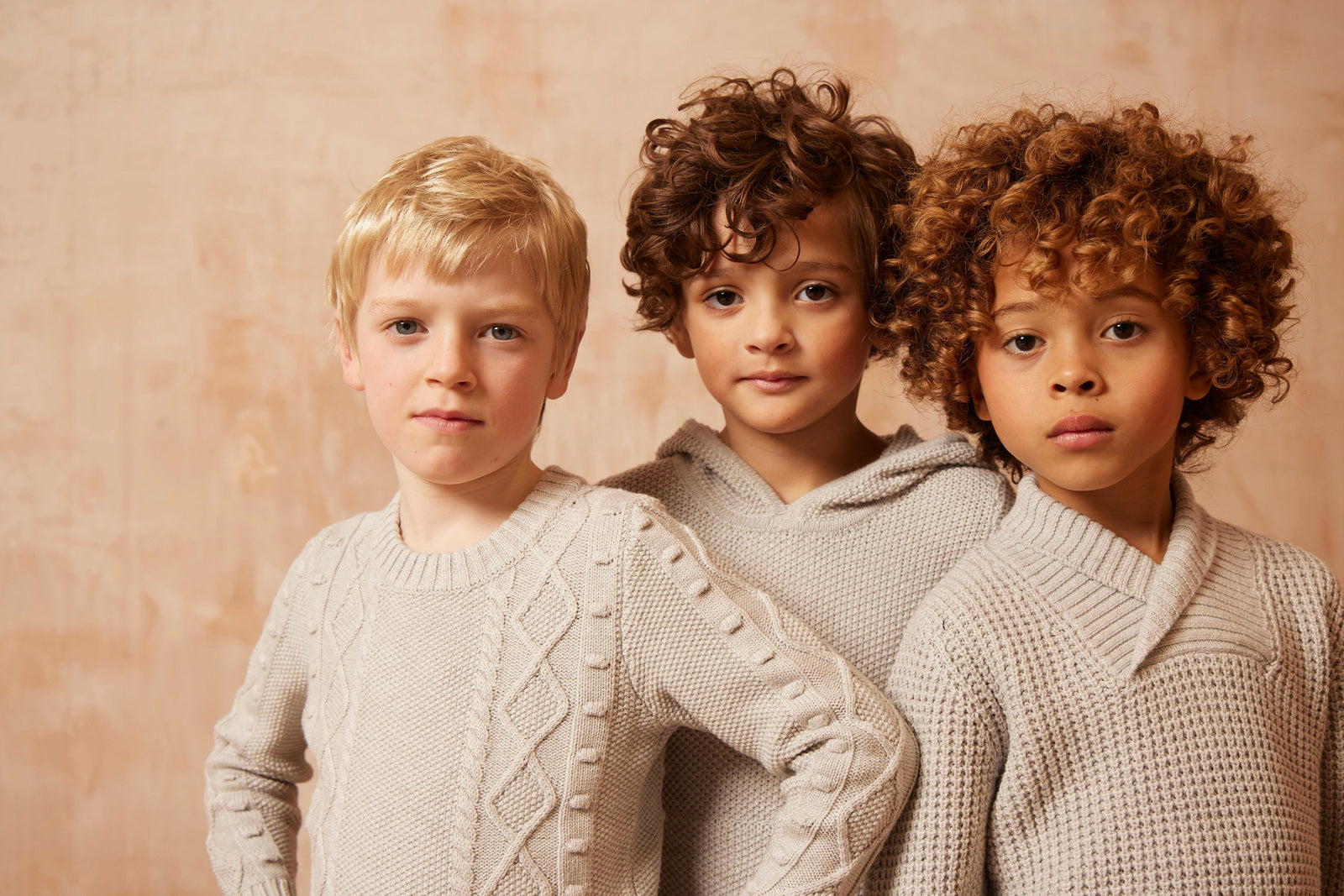
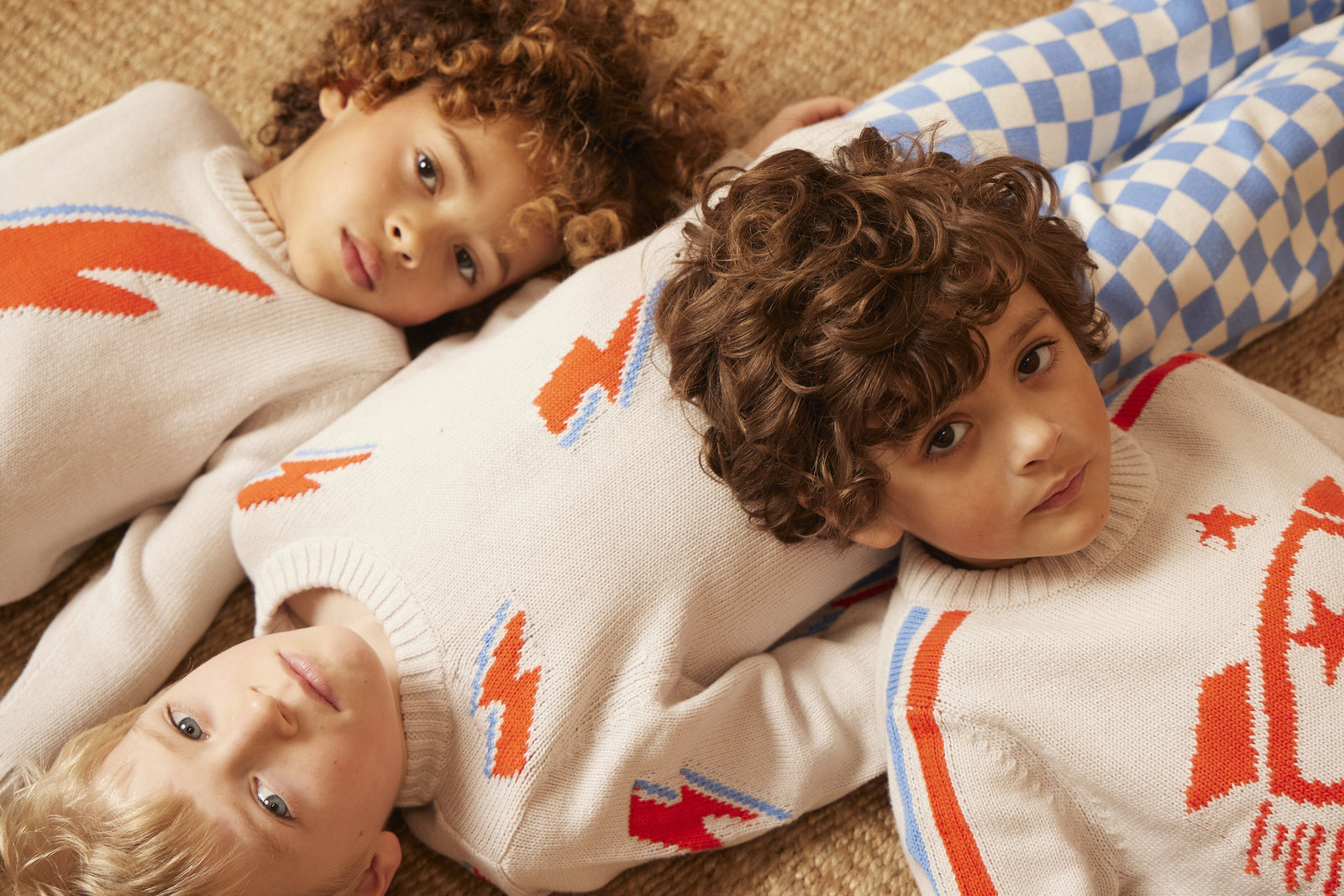
Organic cotton is ideal for spring tops and base layers: it's breathable, soft against skin, and gets better with washing. A fine-knit cashmere cardigan is the perfect spring layer — warm enough for a cool morning, light enough to tie around a waist by lunchtime. For boys, our lightweight knits offer the same versatility. These aren't luxury indulgences; they're practical choices that perform better across a wider temperature range.
Stick to a Colour Palette
The easiest way to make a small wardrobe feel abundant is to choose pieces that share a colour story. For spring, this might be:
- Neutrals as the base: oatmeal, ivory, soft grey, navy
- One or two accent colours: dusty rose, sage green, soft terracotta
When everything works together tonally, you never have the "nothing matches" problem. Every top goes with every bottom. Getting dressed becomes effortless — for you and for them.
Invest in the Layers, Save on the Basics
Not every piece needs to be premium. But the pieces that get the most use — the cardigan worn every other day, the skirt or trouser that goes with everything — are worth investing in. A well-made cardigan in organic cotton or cashmere will outlast three cheaper versions and look better doing it.
Think cost-per-wear rather than cost-per-item. A £60 cardigan worn 80 times over two seasons costs less per wear than a £15 one that pills after ten washes.
Plan for Growth
Children grow — sometimes alarmingly fast. A few strategies to get more life from each piece:
- Size up slightly on key investment pieces like knitwear, which can be worn oversized and still look intentional
- Choose adjustable waistbands on trousers and skirts
- Avoid very trend-specific pieces — classic cuts and colours can be passed down or resold
The Result: Less Clutter, More Calm
Parents who've made the switch to a capsule approach consistently report the same thing: mornings get easier. When there are fewer choices, all of them good, getting dressed stops being a negotiation and starts being simple.
Your child wears what they have. You spend less time managing a wardrobe. And the pieces you do buy — chosen carefully, made well — last long enough to feel like genuine value.
That's the slow fashion promise. Not deprivation, but intention.