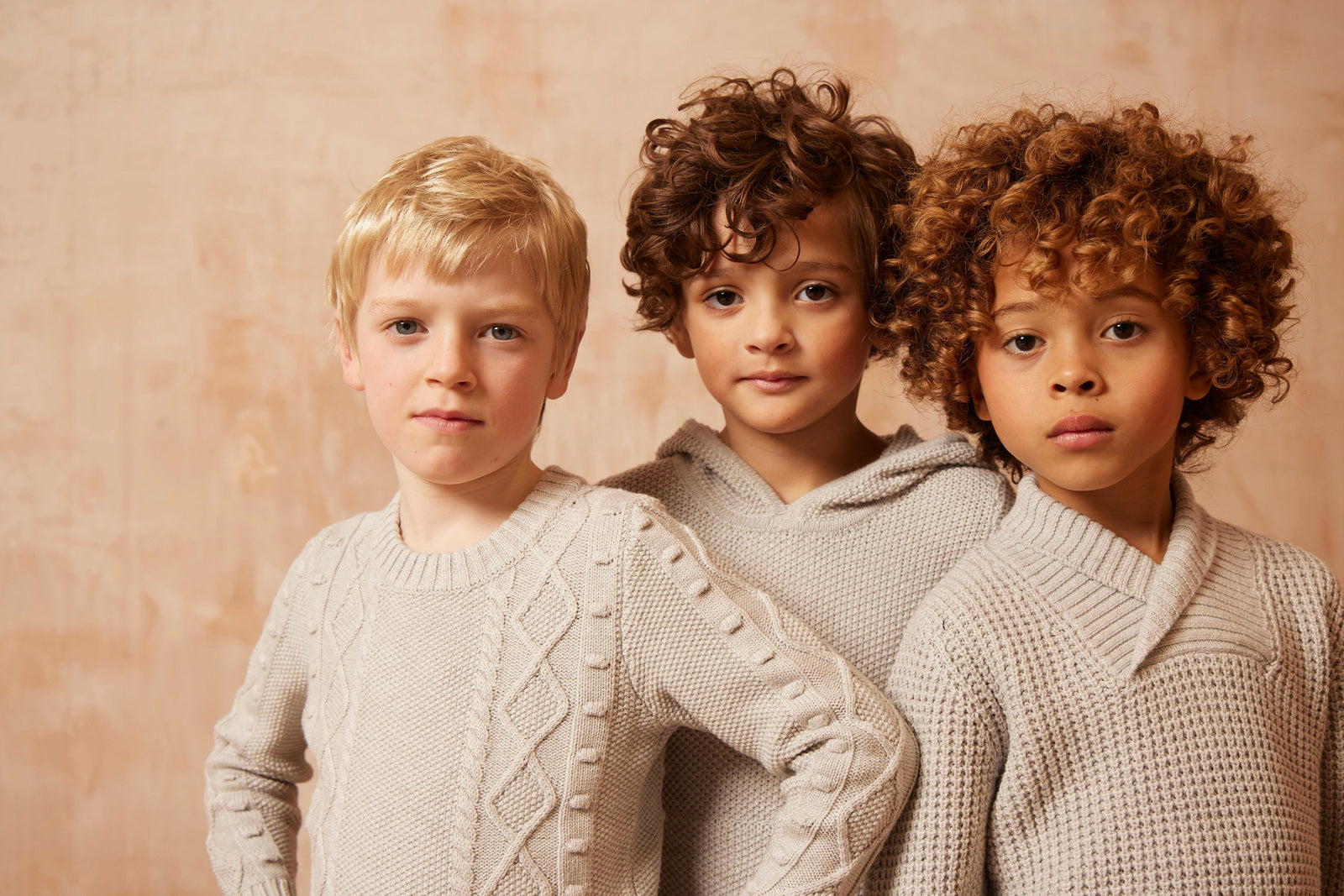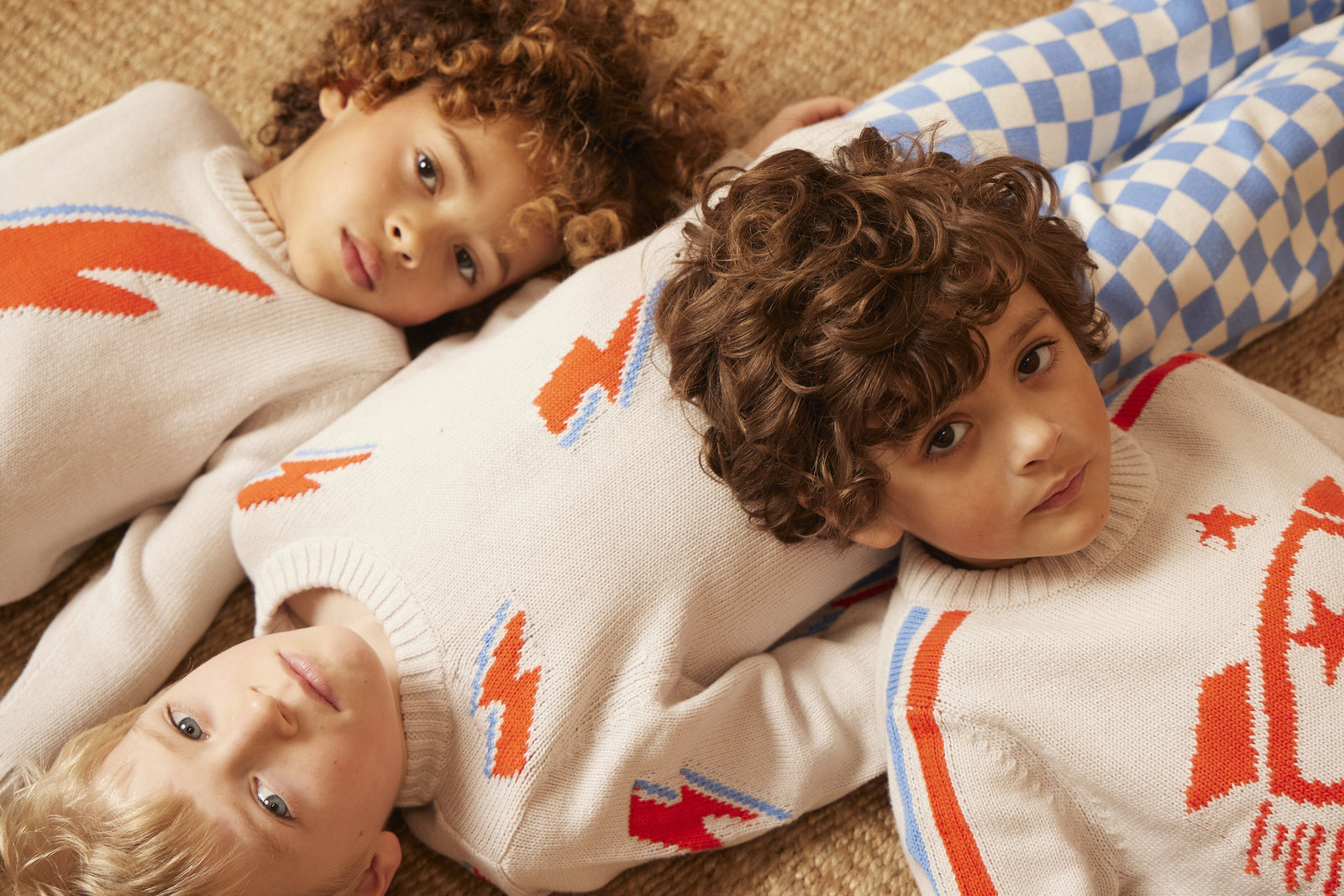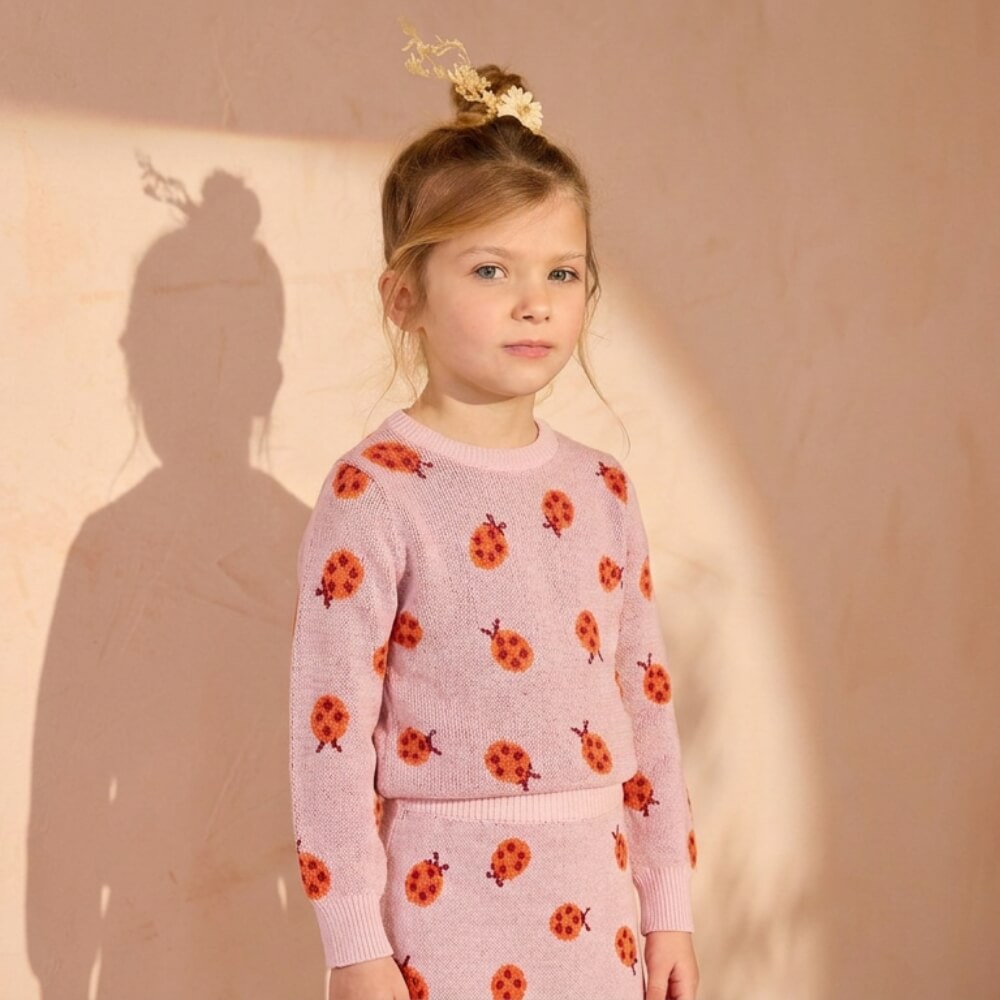

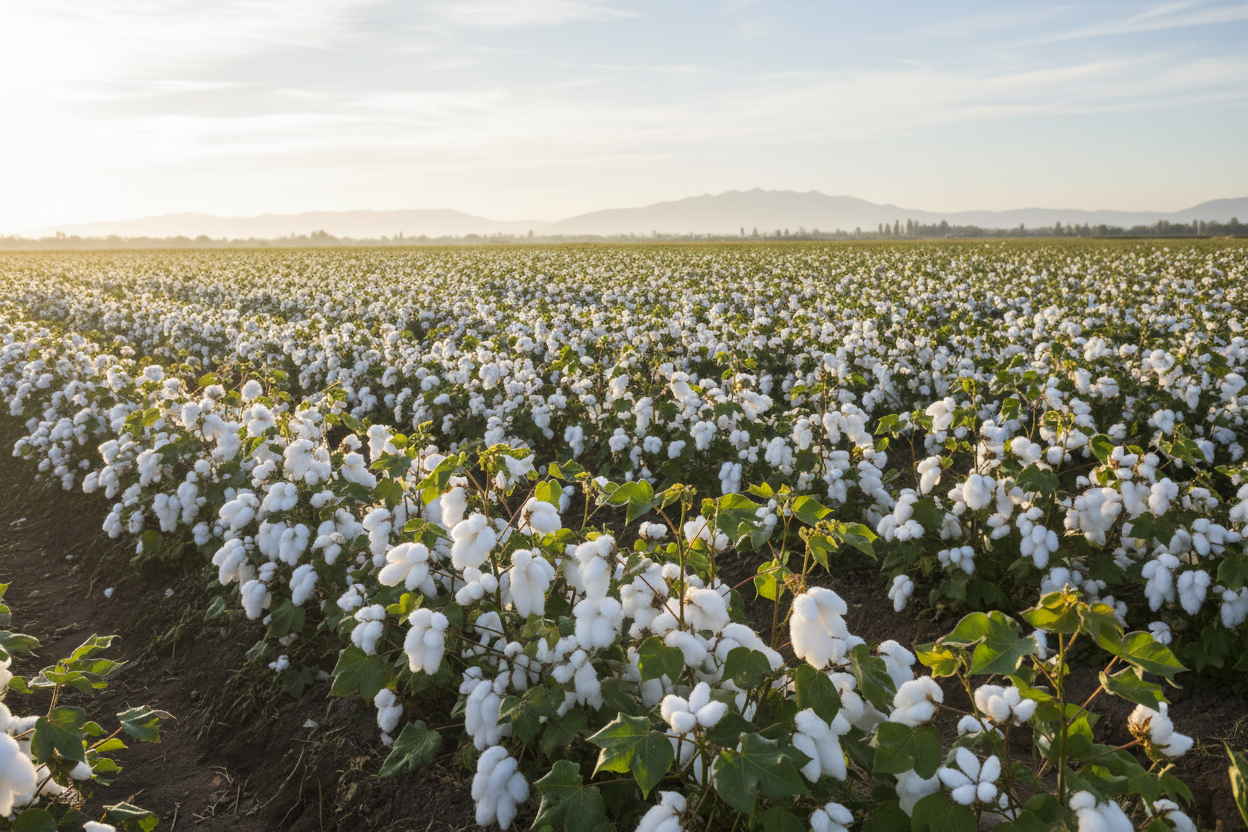

When you're dressing your child, the fabric touching their skin matters more than most parents realise. Cotton is everywhere — in baby bodysuits, school uniforms, pyjamas, and play clothes. But not all cotton is created equal. Understanding the difference between organic and conventional cotton is one of the most impactful choices you can make for your child's health, comfort, and the planet they'll inherit.
What Is Conventional Cotton — and Why Should You Care?
Conventional cotton is one of the most chemically intensive crops in the world. It accounts for roughly 16% of global insecticide use despite covering only 2.5% of the world's cultivated land. To grow it, farmers rely on synthetic pesticides, herbicides, and fertilisers — many of which leave residues that persist through processing and into the finished fabric.
For children, whose skin is thinner and more permeable than adults', and whose immune and endocrine systems are still developing, prolonged contact with these residues is a genuine concern. Skin irritation, eczema flare-ups, and sensitivities are commonly reported by parents who switch to organic and notice an immediate difference.
What Makes Cotton Truly Organic?
Organic cotton is grown without synthetic pesticides, herbicides, or genetically modified seeds. It relies on natural farming methods — crop rotation, composting, and biological pest control — that protect soil health and local ecosystems. Certified organic cotton must meet strict standards (such as GOTS — the Global Organic Textile Standard) that govern not just the farming, but the entire supply chain: spinning, dyeing, finishing, and labelling.
This matters because a garment labelled "made with organic cotton" may only contain a small percentage of certified fibres. At MIKA & MILO, we use certified organic cotton throughout our collections — not as a marketing footnote, but as a foundational commitment.
The Difference You Can Feel
Beyond the chemistry, organic cotton simply feels different. Because it's processed without harsh chemical softeners or bleaches, the natural fibre structure remains intact. The result is a fabric that is:
- Softer against sensitive skin — particularly important for babies and toddlers
- More breathable — natural fibres regulate temperature more effectively than synthetics or heavily processed cotton
- More durable over time — without chemical degradation, organic cotton holds its shape and softness through repeated washing
- Hypoallergenic — free from the residual chemicals that trigger reactions in sensitive children
The Environmental Case
Organic cotton farming uses up to 91% less water than conventional methods, largely because healthy organic soil retains moisture far more effectively. It also eliminates the toxic runoff that contaminates waterways near conventional cotton farms — a serious issue in major cotton-producing regions.
For parents who think about the world their children will grow up in, choosing organic is a small but meaningful act. Every garment is a vote for the kind of supply chain you want to support.
What to Look For When Shopping
Not all "natural" or "eco" labels are equal. Here's what to look for:
- GOTS certification — the gold standard for organic textiles, covering the full supply chain
- OEKO-TEX Standard 100 — tests for harmful substances in the finished product
- Transparency about sourcing — brands that can tell you where their cotton comes from and how it's processed
Be cautious of vague terms like "natural," "eco-friendly," or "sustainable" without certification to back them up.
A Note on Blends
At MIKA & MILO, we also work with cashmere — a natural fibre with its own remarkable properties for children's clothing. Like organic cotton, cashmere is breathable, temperature-regulating, and extraordinarily soft. Together, these fibres form the foundation of a wardrobe built to last — not just one season, but years. Explore our Girls AW25 and Boys AW25 collections to see this philosophy in action.
The slow fashion philosophy we believe in starts with material choices. When you invest in certified organic cotton and natural fibres, you're choosing garments that won't need replacing every few months, that won't irritate your child's skin, and that won't leave a trail of chemical damage from farm to wardrobe.
The Bottom Line
Conventional cotton is cheap for a reason — and those costs are paid elsewhere: in soil health, in waterways, in the health of farming communities, and potentially in the sensitivity of your child's skin. Organic cotton costs a little more upfront, but it delivers on every dimension that matters: comfort, durability, safety, and environmental integrity.
As parents, we make hundreds of small decisions every day. This is one worth making deliberately.