
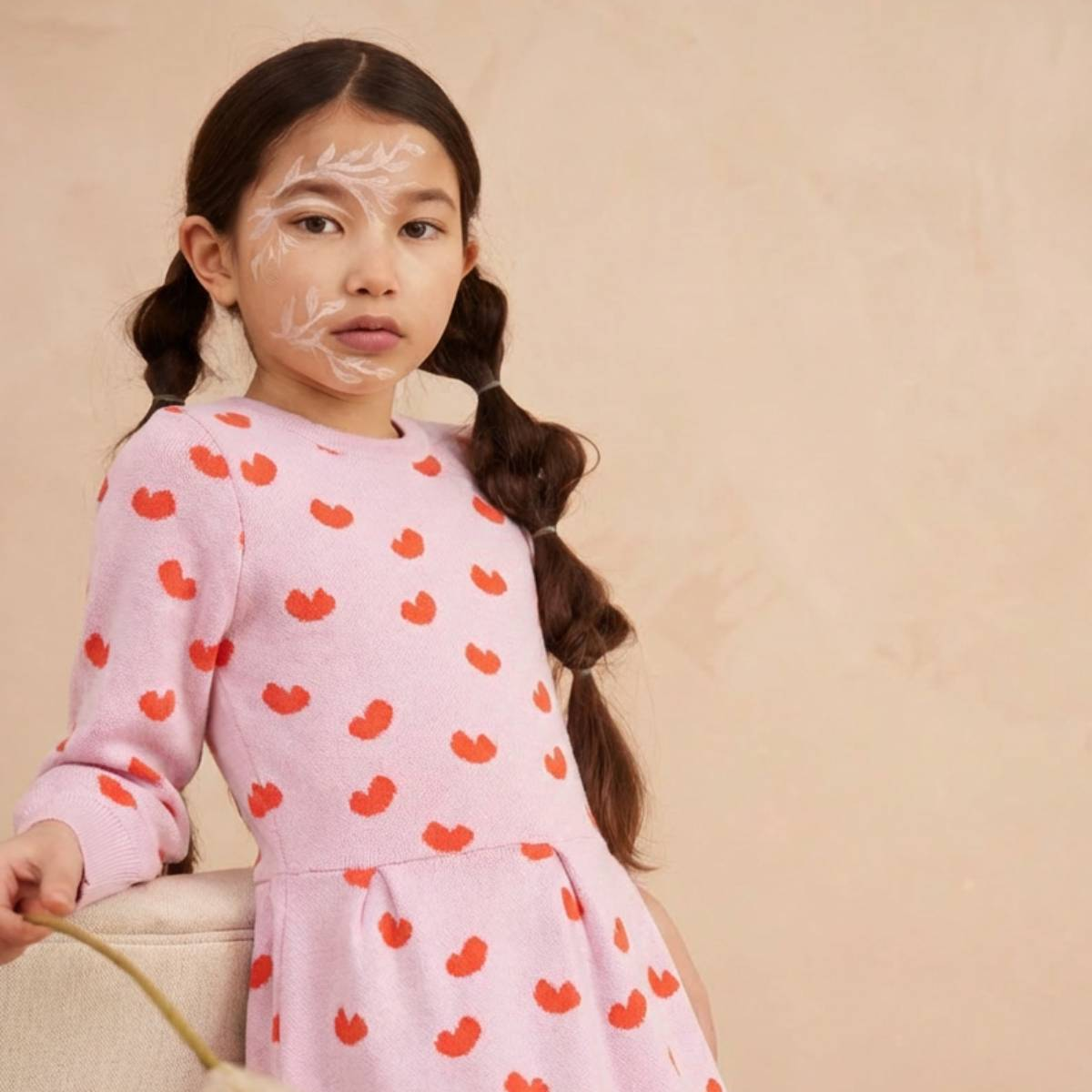

There's a quiet revolution happening in the way some parents are approaching children's clothing. Not a loud one — no manifestos, no movements — just a growing sense that the cycle of buying cheap, replacing often, and discarding without thought isn't working. Not for their budgets, not for their children's comfort, and not for the planet.
The alternative is simple to state and harder to practise: buy less, and buy better.
The True Cost of Cheap Kids' Clothing
Fast fashion for children is everywhere. A £5 t-shirt, a £8 jumper, a multipack of leggings for the price of a coffee. It feels economical — until you add it up.
The average family in the UK spends over £500 a year on children's clothing. Much of that goes on pieces worn a handful of times before they pill, shrink, fade, or simply fall apart. The cost-per-wear on a £5 t-shirt that survives six washes is actually higher than a £30 organic cotton version that lasts two years.
Beyond the wallet, there's the environmental toll. The fashion industry is one of the world's largest polluters, and children's fast fashion — with its rapid size changes and trend cycles — is among the most wasteful segments of all.
What "Heirloom Quality" Actually Means
The word heirloom gets used loosely in fashion marketing. What does it actually mean for a children's garment?
It means a piece that:
- Holds its shape after repeated washing, without pilling, stretching, or shrinking
- Retains its colour — dyed with care, not fading to grey after a season
- Feels as good on day 200 as day one — the mark of quality natural fibres like our 95% organic cotton, 5% cashmere blend
- Can be passed down — to a younger sibling, a friend's child, or donated in genuinely wearable condition
- Tells a story — of where it came from, how it was made, and who made it
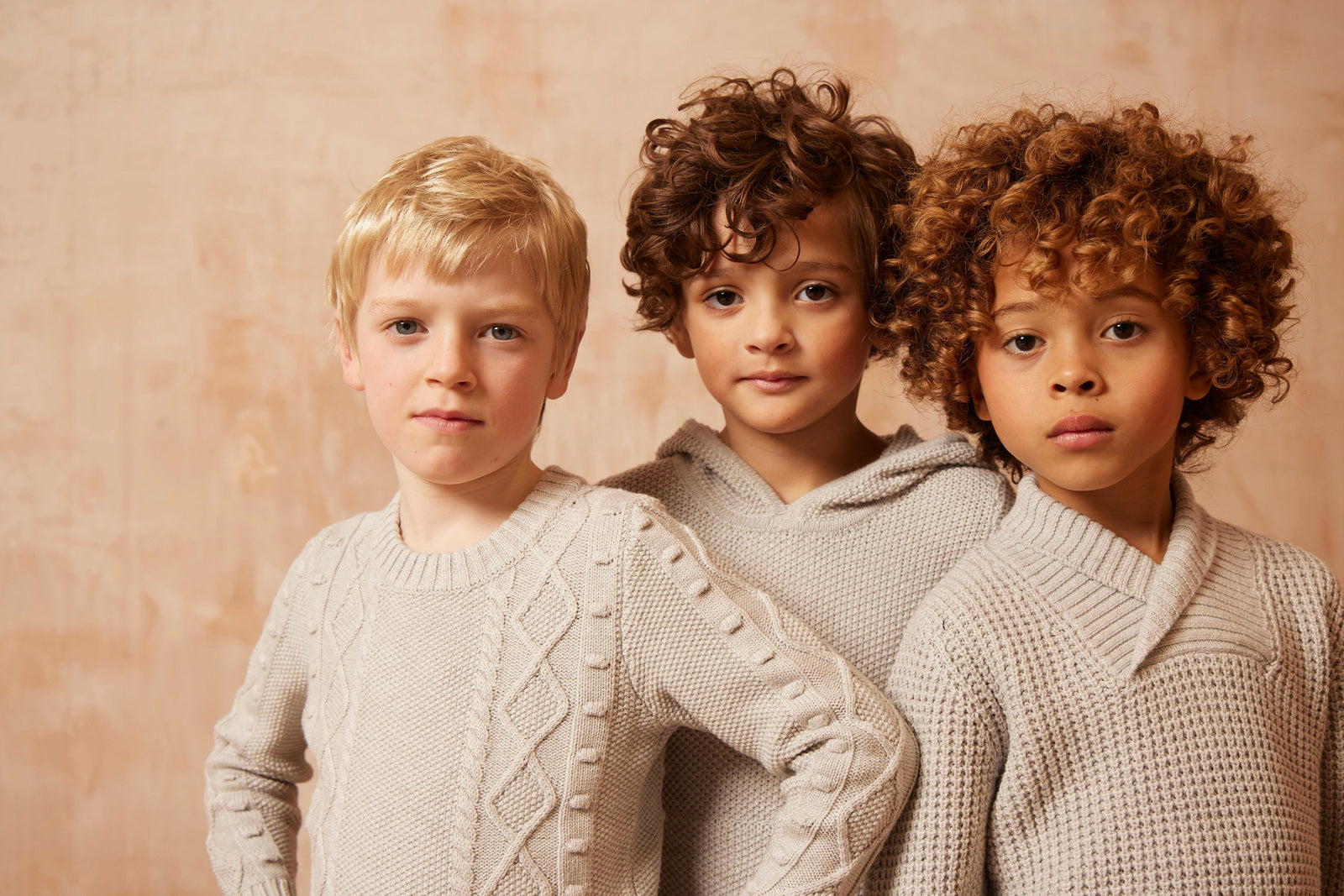
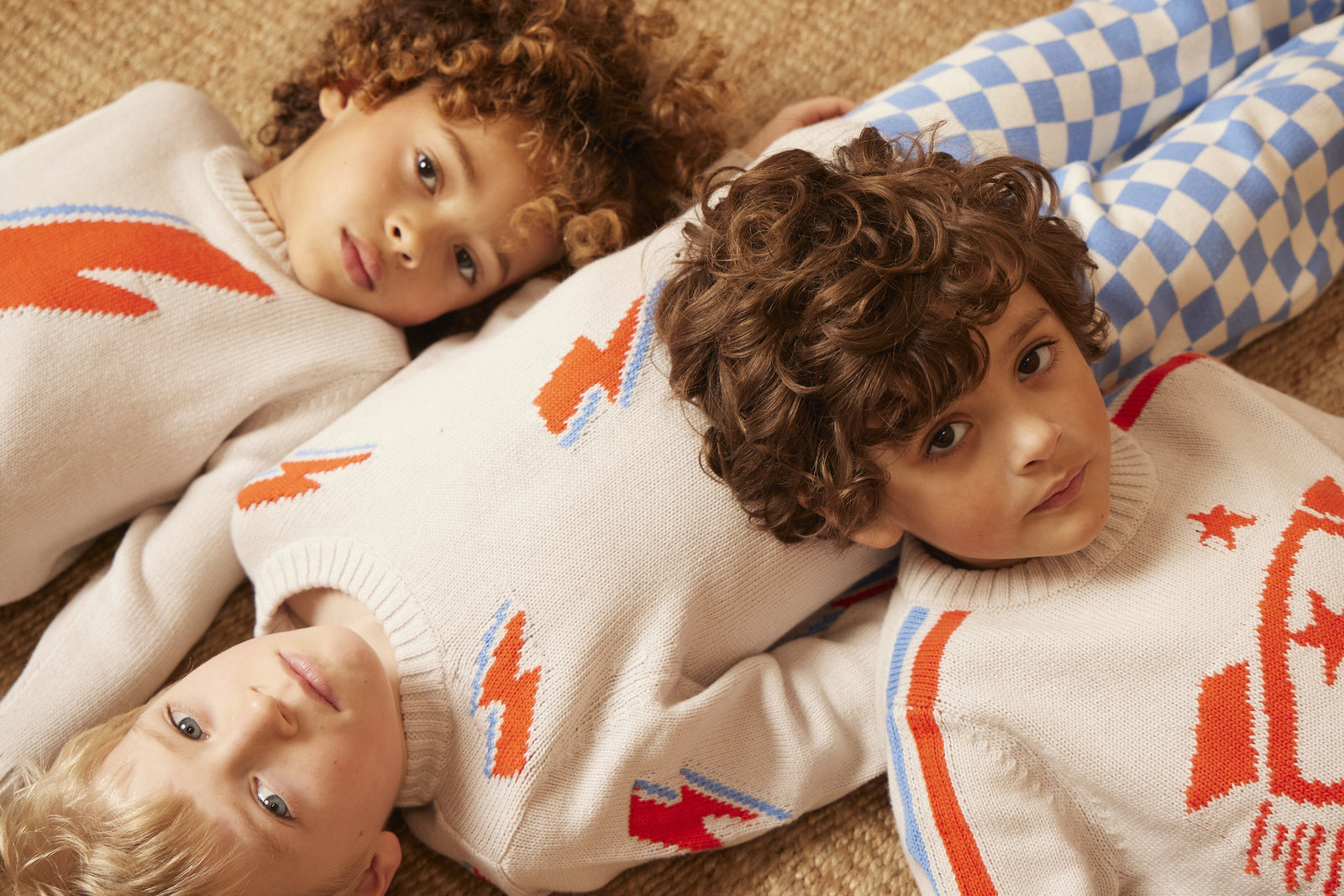
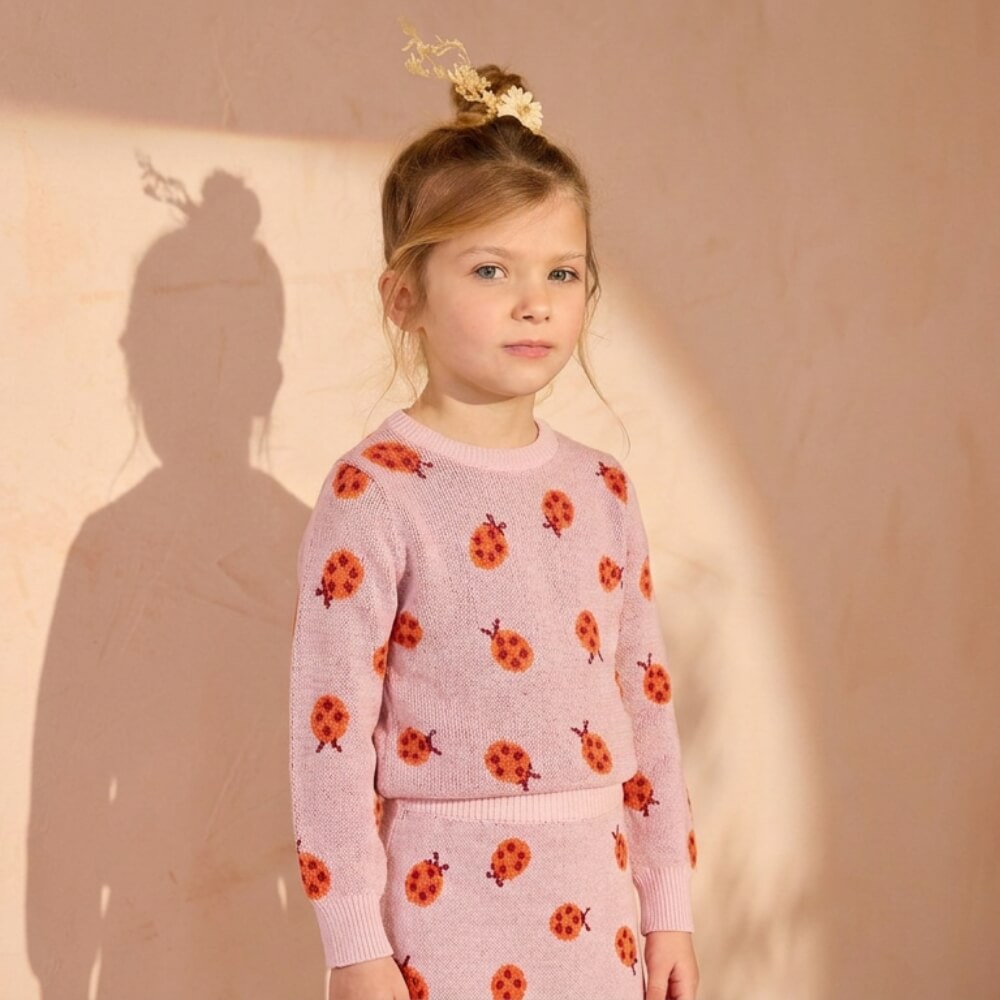
At MIKA & MILO, this is the standard we hold ourselves to. Our girls' collection and boys' collection in our 95% organic cotton, 5% cashmere blend are designed to be worn season after season — and then handed on.
Natural Fibres Are the Foundation
You cannot make a heirloom-quality garment from synthetic fibres. Polyester, acrylic, and nylon degrade with washing, trap odours, and shed microplastics into waterways. They are, by design, temporary.
Our 95% organic cotton, 5% cashmere blend behaves differently. The organic cotton provides structure, breathability, and durability. The 5% cashmere adds extraordinary softness and a subtle warmth that no synthetic can replicate. Together they create a fabric that is breathable, self-regulating, and remarkably durable when cared for properly.
Crucially, our blend doesn't pill — the high organic cotton content anchors the cashmere fibres and gives the fabric resilience through repeated wear and washing. A well-made piece in our 95/5 blend doesn't wear out — it wears in. The fabric becomes more itself over time.
For children, this matters doubly. Their skin is sensitive. Their bodies are active. They need clothing that moves with them, breathes with them, and doesn't irritate them — all day, every day.
The Maths of Buying Better
Let's be honest: quality costs more upfront. A piece in our 95/5 blend is not the same price as a high street alternative. But consider the full picture:
- A quality piece worn across two children over three years = exceptional value
- A fast fashion equivalent replaced three times in the same period = higher total spend, more waste
- A well-kept natural fibre garment resold or donated = residual value; a worn-out synthetic = landfill
The slow fashion maths almost always favours quality — you just have to be willing to look at the full equation.
How to Start
You don't need to overhaul your child's wardrobe overnight. The shift to buying better is gradual and intentional:
- Identify the pieces they wear most — these are your investment priorities
- Replace, don't add — when something wears out, replace it with one better version rather than two cheaper ones
- Choose natural fibres for anything worn against the skin — base layers, pyjamas, everyday tops
- Look for certifications — GOTS for organic cotton, responsible sourcing for cashmere
- Think in seasons, not trends — classic cuts and neutral palettes outlast fashion cycles
The Emotional Case
There's something beyond the practical, too. The clothes children wear become part of their memories — and yours. The soft cardigan they wore every Sunday. The dress that appears in every family photo from that year. The jumper passed from an older sibling that somehow still looks perfect.
Fast fashion doesn't make memories. It makes clutter.
Heirloom-quality clothing — chosen carefully, worn often, cared for well — becomes part of a family's story. That's worth something that no price tag fully captures.